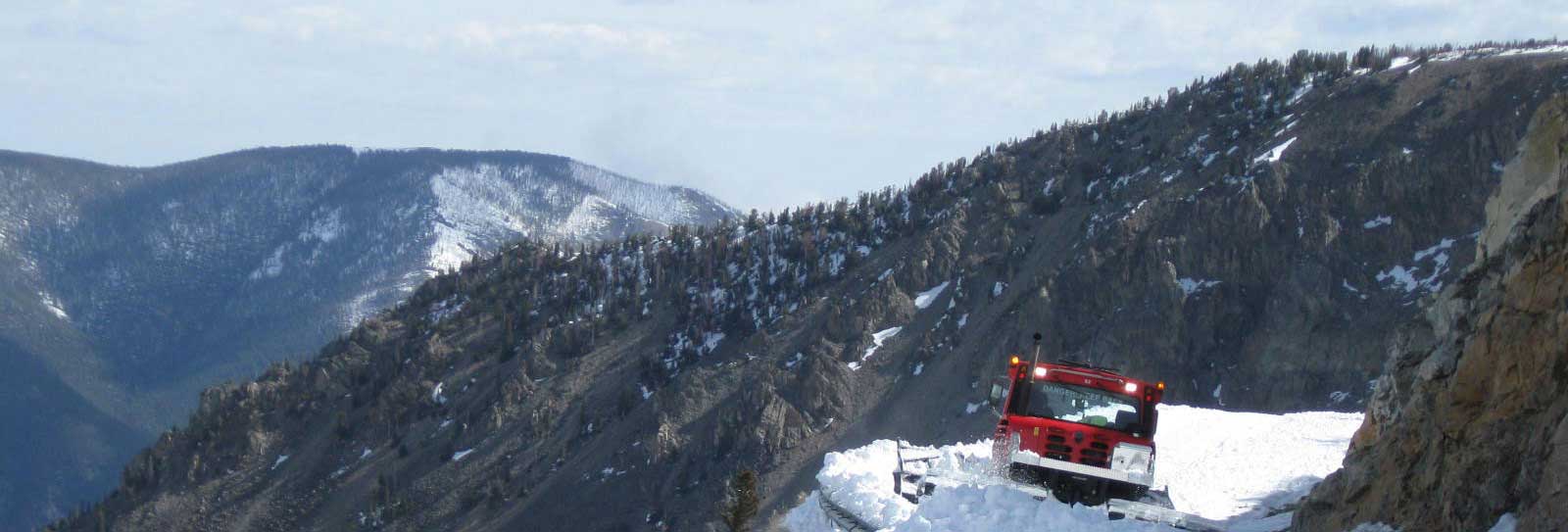

The Anaconda – Deer Lodge County (ADLC) and the Montana Department of Transportation (MDT) conducted a Corridor Planning Study of MT-1 from approximately reference post (RP) 10 (North Cable Road / Linden Street intersection) extending approximately 17.3 miles west to approximately RP 27.3 (Georgetown Lake Road).
Final Study Report
Document (w/o appendices)
Appendix A: Consultation, Coordination and Community Involvement
Appendix B: Environmental Scan Report
Appendix C: Corridor Planning Study Documentation
MT-1 is functionally classified as a rural minor arterial on the Primary Highway System and is designated as Primary Route 19 (P-19). MT-1 serves as an east/west connection between Anaconda and Georgetown Lake.
The purpose of the Study was to determine financially feasible improvement options to address safety and geometrical concerns within the transportation corridor based on needs presented by the community, the study partners, and resource agencies. The Study examined geometric characteristics, crash history, and existing and projected operational characteristics of the MT-1 corridor. Existing and projected physical constraints, land uses, and environmental resources were also analyzed.
The Study included a comprehensive package of short- and long-term recommendations intended to address the transportation needs of the highway over the planning horizon (year 2031). These recommendations will assist the study partners in targeting the most critical needs and allocating resources appropriately. The Study was completed in 2011.
The study process followed the Montana Business Process to Link Planning Studies and NEPA/MEPA Reviews, which required extensive community outreach and coordination with other partnering agencies. Issues that were addressed within the corridor study included but were not limited to:
- Speed Limits;
- Safety Improvements;
- Compatibility with County Planning Activities;
- Right-of-Way Acquisition and Use;
- Right-of-Way Mitigation;
- Animal-Vehicle Collisions.